


Table of Contents
What are caecilians (Gymnophiona), the legless amphibian specialists, and how do caecilians survive and thrive in hidden ecosystems? Caecilians (order Gymnophiona) are a group of legless amphibians—true caecilians—that spend much of their lives burrowing in tropical soils or swimming in freshwater habitats. These legless amphibian species are adapted to subterranean life through a compact skull, annulated body, reduced eyes, and specialized sensory tentacles. Although less familiar than frogs or salamanders, caecilians (Gymnophiona) exhibit extraordinary adaptations for hidden lifestyles. This article examines caecilian anatomy, ecology, evolution, and conservation, synthesizing current scientific understanding and noting open questions for future research.
Anatomy and adaptations of legless amphibians (Gymnophiona)
Caecilians show a suite of morphological features tailored for burrowing and aquatic environments. Their skulls are heavily ossified and compact, facilitating head-first burrowing, while their bodies are encircled by grooves called annuli which can aid in locomotion through soil. Many species have reduced or covered eyes beneath skin, so vision is limited; instead, a unique pair of chemosensory tentacles between the nostrils and eyes helps detect prey and navigate subterranean environments. Musculature and vertebral specialization enable concertina-like movement underground. Average adult sizes range from 10 cm to over 1 m depending on species, and measurements are typically reported in both metric and imperial units in scientific accounts.
Caecilians feed on invertebrates such as earthworms, termites, and other soil fauna; some aquatic species take small fish and crustaceans. Their skull and jaw mechanics support powerful biting and a varied diet. Across Gymnophiona, variation in dentition and jaw shape reflects dietary specialization and habitat use.
Additional research into feeding ecology shows that caecilians (as legless amphibians) can occupy distinct trophic niches in soil communities, and authors recommend including caecilians explicitly in studies of soil predator-prey networks. Clear reporting of prey items and gut contents will improve ecological inference for Gymnophiona.
Caecilian ecology and habitat
Caecilians inhabit tropical regions worldwide, especially in South and Central America, Africa, and Southeast Asia. They occupy moist forest soils, leaf litter, and freshwater bodies, with life histories varying across species. Some are terrestrial burrowers, while others are semi-aquatic. Soil texture, moisture, and prey availability shape local distributions. Because caecilians often live hidden beneath the surface, occurrence records can be sparse, complicating conservation assessment.
Researchers studying tropical soil biodiversity often detect caecilians incidentally during surveys; comparable studies on other hidden taxa, such as the axolotl’s amphibian relatives, offer methodological parallels (see our profile on Axolotls: https://youranimalguide.com/axolotls-the-enchanting-salamanders).
Reproduction and unique life histories
Caecilian reproductive strategies are diverse. Some species lay eggs with aquatic larvae, while others show direct development—hatching as miniature adults entirely adapted to terrestrial life. Remarkable maternal care occurs in several species: females may brood eggs in subterranean burrows and provide skin-feeding opportunities for young (dermatotrophy), where offspring rasp the mother’s nutrient-rich skin. This evolutionary innovation highlights parental investment among amphibians and warrants comparative studies with other taxa.
Field studies of reproductive timing and maternal investment in Gymnophiona reveal seasonality in breeding tied to rainfall and soil moisture. Researchers should report breeding phenology and juvenile growth rates to better understand life-history trade-offs in legless amphibian species.
Fossil record and evolutionary history
The evolutionary history of caecilians is inferred from both molecular phylogenetics and a sparse fossil record. Fossils attributable to early gymnophionans are limited, but molecular clocks suggest deep divergence times that situate caecilians as an ancient lineage within Lissamphibia. Comparative anatomy with extinct amphibian groups informs hypotheses about limb loss and burrowing evolution.
For perspective on fossils and prehistoric lineages, see our prehistoric and fossil collections: https://youranimalguide.com/prehistoric-mammals and our fossils profile: https://youranimalguide.com/fossils.
Species diversity and identification within Gymnophiona
Gymnophiona includes dozens of described genera and many species that remain poorly known. Species identification often relies on a combination of external morphology, annulation counts, dentition, and molecular markers. Field guides and museum collections play a key role in documenting diversity; targeted surveys frequently reveal cryptic species complexes among caecilians. Researchers should record precise locality data and habitat descriptions when reporting new occurrences to improve range maps and conservation assessments. Patterns of endemism are notable: island and montane systems host unique lineages of caecilians that demand targeted conservation attention.
Caecilians in ecosystems: ecological roles and interactions
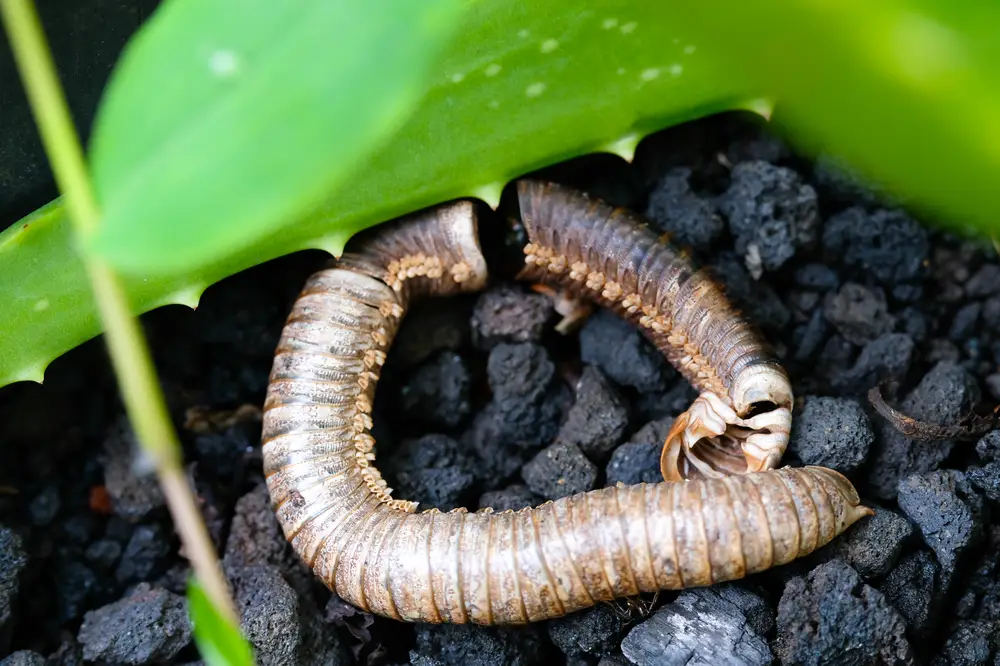
Despite their secretive habits, caecilians are predators of soil invertebrates and may influence nutrient cycling indirectly through their foraging and movement. They serve as both predator and prey in terrestrial and aquatic food webs, with potential roles in controlling pest invertebrate populations, though empirical data remain limited. Combining field studies with stable isotope analysis can clarify trophic positions. Investigating caecilian population densities and biomass helps estimate their functional contribution to soil processes and energy flow.
Recent studies suggest that including legless amphibian biomass estimates in soil community models changes predicted nutrient fluxes, underlining the need to integrate Gymnophiona into broader ecosystem assessments.
Human interactions and cultural notes
Caecilians sometimes feature in local folklore, often misunderstood due to their snake-like appearance. Public outreach benefits from clear, non-alarmist communication about their ecological importance and harmlessness to people when not provoked. Engaging local communities in detection efforts can both improve data and reduce fear of these legless amphibian species.
Practical guidance for researchers (not pet care)
This section is intended for field researchers and educators; it does not provide veterinary or pet-keeping advice. When handling caecilians for study, follow ethical protocols and permit requirements, minimize handling time, and use sterilized equipment to prevent pathogen spread. Report findings to local biodiversity databases to improve conservation assessments. For broader context on ethical wildlife observation, consult our conservation resources: https://youranimalguide.com/urban-wildlife.
Conservation priorities and best practices
Conservation actions for caecilians must address habitat protection, pollution control, and targeted survey efforts. Priorities include establishing long-term monitoring plots, integrating eDNA into routine surveys, and building local capacity for caecilian detection. Habitat restoration that preserves soil structure and hydrology benefits Gymnophiona species by maintaining the microhabitats they require. Policy measures that limit deforestation and agricultural runoff will also reduce threats to legless amphibian populations.
Research methods and open questions
Studying caecilians poses logistical challenges. Pitfall traps, soil excavation, environmental DNA (eDNA), and targeted searches during rainy seasons improve detection. Important open questions include: How widespread is parental dermatotrophy? What are the population genetics of cryptic species complexes? How do caecilians respond to land-use change at landscape scales? Research networks and citizen science programs can accelerate data collection for Gymnophiona.
To ensure clarity for researchers and conservationists, this article repeatedly emphasizes key terms: caecilian and Gymnophiona are used to align scientific and common-language searches. Mentioning “caecilian” helps readers find species accounts and conservation notes; referring to “legless amphibian” connects public-facing outreach with scientific literature. These repetitions improve discoverability without altering tone or accuracy.
Caecilian FAQs
Caecilian FAQs
What is a caecilian?
Caecilians are limbless amphibians of the order Gymnophiona that primarily live underground or in water, resembling worms or snakes but are taxonomically distinct from both.
Where are caecilians found?
They occur mainly in tropical regions of South and Central America, Africa, and Southeast Asia, favoring moist soils and freshwater habitats.
How do caecilians reproduce?
Reproductive modes vary: some species have aquatic larvae, others show direct development; notable behaviors include maternal skin-feeding in some species.
Are caecilians endangered?
Many species are classified as data deficient due to detection challenges; habitat loss and pollution are key threats where known.
Why are caecilians important to ecosystems?
They act as predators of soil invertebrates and may influence nutrient cycles; they also contribute to biodiversity and are indicators of healthy soil and freshwater systems.
Conclusion
Caecilians are an understudied and fascinating group of amphibians whose hidden lives challenge conventional survey methods and conservation assessments. Continued research, improved detection techniques, and habitat protection are essential to reveal their diversity and ecological importance. This article highlights anatomy, ecology, evolution, and conservation priorities for caecilians and invites further scientific inquiry.
